Photogravure is yet another intaglio medium; it’s a photo process where a fine aquatint is used to create tones. Photogravure starts with a photo positive in the size that the final, etched image will be. The artist sandwiches the positive against a piece of paper-backed, light sensitive gelatin and exposes the whole thing to light. The white places on the photo positive, where there is little or no emulsion, get a full blast of light. The gelatin is hardened in these areas as a result of the intense light. Blacks of the image, emulsion-thick areas on the positive, block light from affecting the gelatin underneath—leaving it soft.
Then adhere the light-exposed and paper-backed gelatin, which has been hardened to various degrees, to a piece of copper and wash it out in hot water. The paper peels off and the soft areas of gelatin melt away in the heated water, nearly exposing the copper underneath. Hardened areas of gelatin, the whites of the image which received the most light during exposure, stay thick with gelatin. When the copper plate is aquatinted and etched in ferric chloride, the varying thickness of gelatin result in a controlled etch where the super thin areas of gelatin (the blacks) begin etching right away and the thick gelatin (the whites) break down gradually to begin etching. The finest details don’t etch until the plate’s final moments in the ferric chloride.
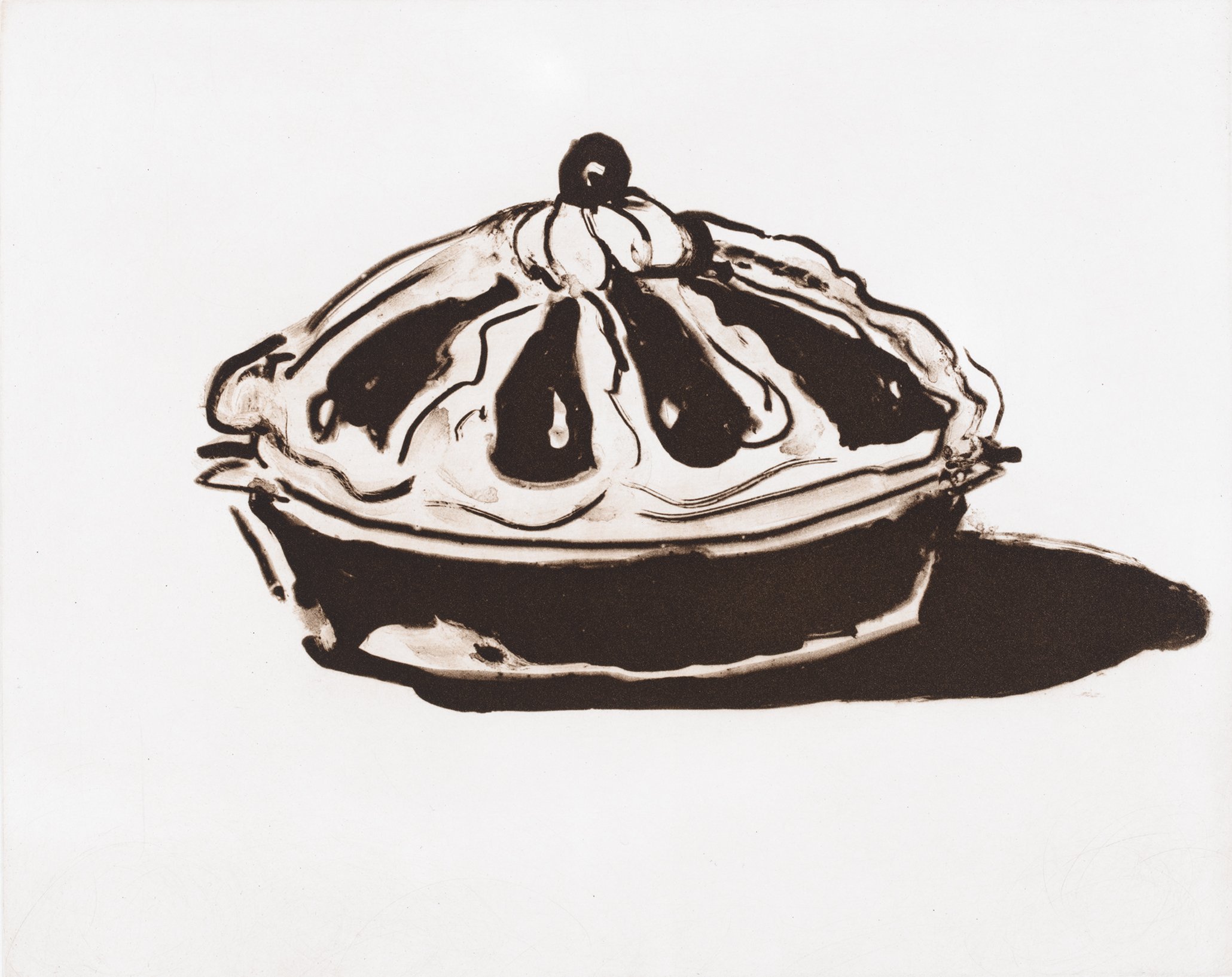
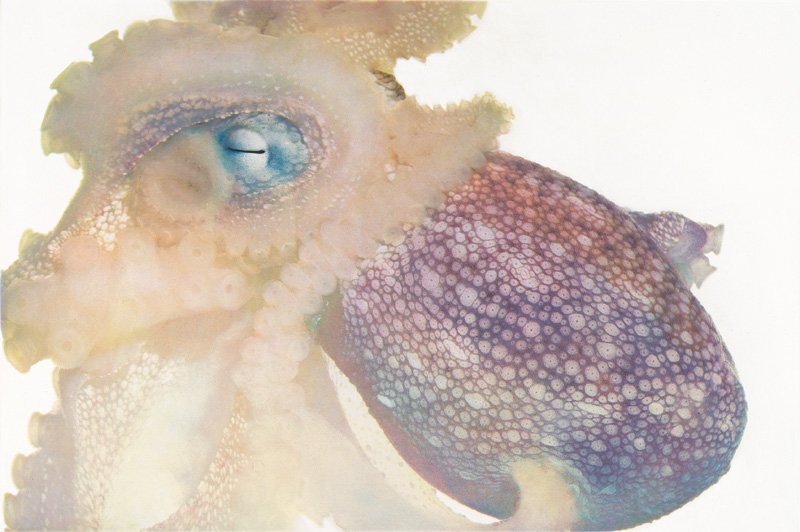
The staged bite of the photogravure results in a range of aquatint etch where the blacks have pitted the copper quite deeply, the greys to some medium depth, and the lighter details have bitten to only the shallowest nibble. The inked photogravure plate holds much more ink in these deeply etched areas than in the shallower bits. A photogravure print is smoothly detailed and lush as a result of the staged bite and fine aquatint, with the blacks practically standing up off the paper in velvety tones.
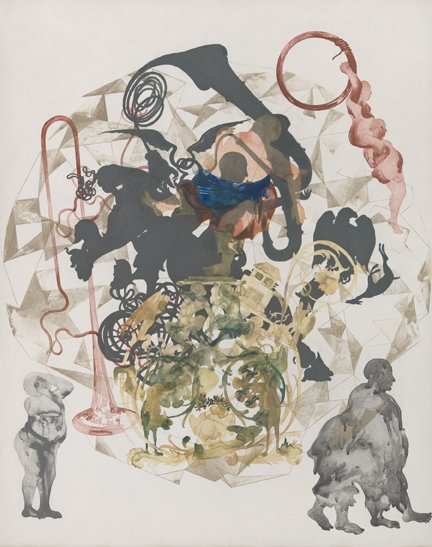
A direct gravure is a term used to describe a plate made using the same process described above, but where the film positive part of the positive/gelatin sandwich that the artist exposes to light is created in some manner that doesn’t involve the darkroom. A drawing or painting on some clear material like mylar or vellum can be used as a film positive, as can a good computer printout.
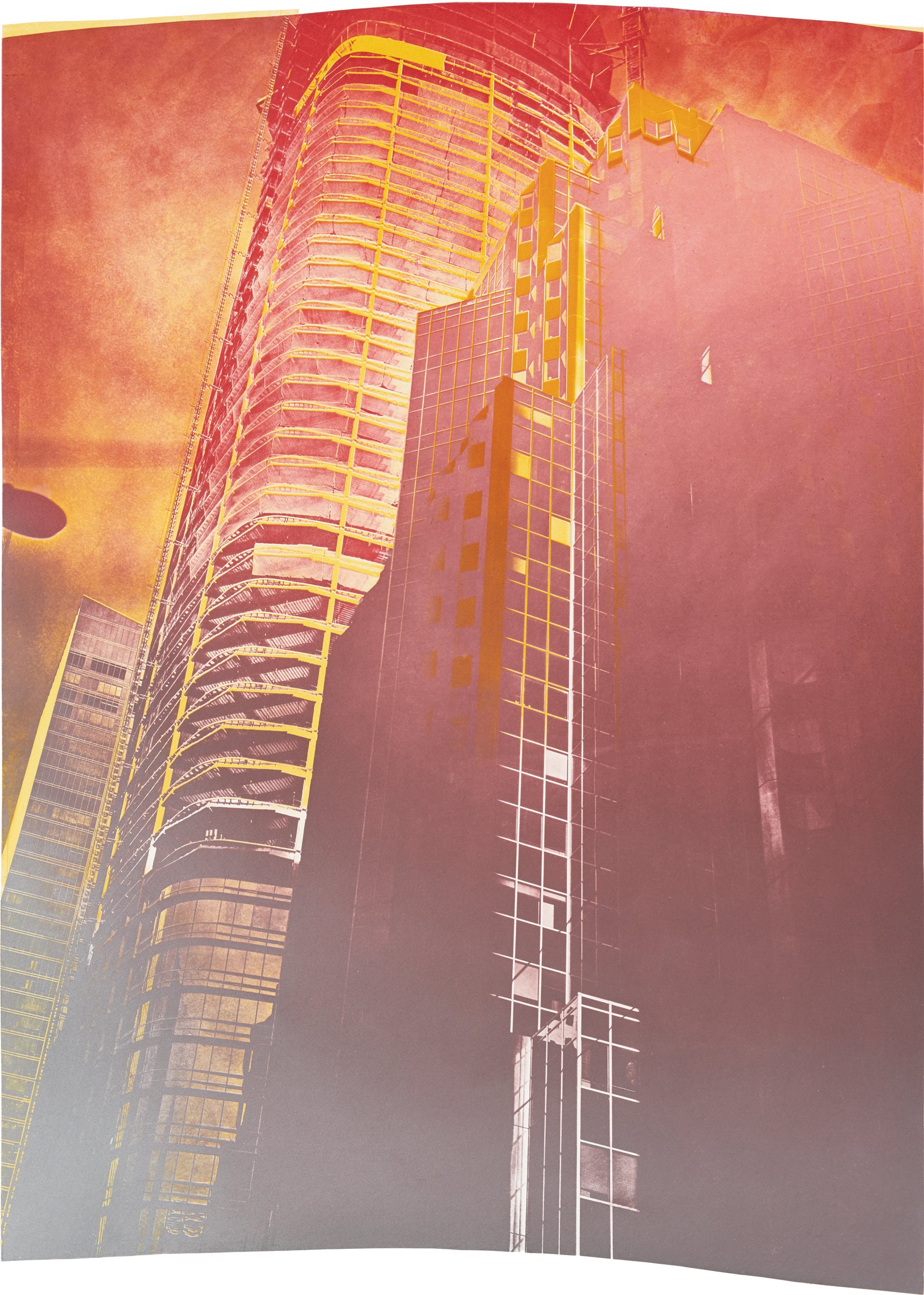
Photoetching differs from photogravure in that all the tones of the image, from the lightest greys to the deepest blacks, are etched to the same depth. The whole picture begins etching at the same time. The dot screen used to compose the photoetched image has areas where the dots get larger or closer together, serving to visually simulate the darker details of the piece, and other places on the plate where the dots become smaller or more sparse- all this visually creating a range in contrast.